
- 1Key Takeaways
- 2Why Travel Agency Marketing Matters More Than Ever in 2026
- 3What Is Travel Agency Marketing?
- 4The 15 Travel Agency Marketing Strategies at a Glance
- 5Pillar 1: Get Your Foundation Right (Strategies 1–4)
- 1. Define Your Niche and Positioning
- 2. Build a Conversion-Focused Website
- 3. Develop an SEO and Content Marketing Engine
- 4. Optimise for AI Search (GEO) and Local SEO
- 6Pillar 2: Win With Digital Marketing (Strategies 5–9)
- 5. Master Social Media Marketing
- 6. Leverage Short-Form Video
- 7. Run Targeted Paid Advertising
- 8. Build an Email Marketing System
- 9. Add SMS and Messaging Marketing
- 7Pillar 3: Build Trust and Relationships (Strategies 10–12)
- 10. Build a Referral Program
- 11. Collect and Leverage Reviews and Social Proof
- 12. Build Partnerships and Network
- 8Pillar 4: Retain and Grow (Strategies 13–15)
- 13. Automate and Personalise With a CRM
- 14. Focus on Client Retention and Loyalty
- 15. Track Metrics and Optimise (Data-Driven Marketing)
- 9What Is the Best Marketing Strategy for a Travel Agency?
- 10How Do I Create a Travel Agency Marketing Strategy?
- 11How Much Should a Travel Agency Spend on Marketing?
- 12What Is Digital Marketing for Travel Agencies?
- 13How Is Marketing for Travel and Tourism Changing in 2026?
- 14Common Travel Agency Marketing Mistakes to Avoid
- 15Your 90-Day Travel Agency Marketing Plan
- 16Frequently Asked Questions
- 17Final Thoughts and Your Marketing Checklist
Travel Agency Marketing: 15 Powerful Strategies to Grow Fast in 2026
Travel agency marketing that works: 15 powerful strategies — from SEO and social to referrals and automation — to grow your agency fast in 2026.

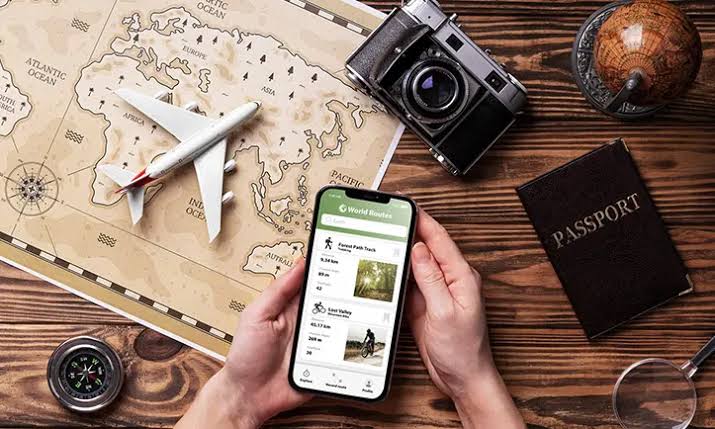
Travel agency marketing is the system of strategies you use to attract, convert, and retain clients — and the 15 most powerful strategies in 2026 span four pillars: a strong foundation (niche, website, SEO, and AI search), digital marketing (social, video, ads, email, and SMS), trust-building (referrals, reviews, and partnerships), and retention (CRM automation, loyalty, and data-driven optimisation). Master these and you'll build a predictable pipeline of qualified clients instead of relying on luck or price cuts.
That's the whole framework in one paragraph. Below, we break down all 15 strategies in detail, with real 2026 data, the channels that actually convert, and the automation we build for agencies here at TravelBoost. Whether you're a solo home-based agent or scaling a team, this guide is your complete travel agency marketing playbook.
Key Takeaways
The market is booming. Travel & Tourism is forecast to contribute $12 trillion (9.9% of global GDP) in 2026, supporting 376 million jobs — a massive, growing market for agencies to capture.
Marketing is digital-first. Roughly 68% of travel searches start on mobile, and organic search drives about 30.7% of travel website traffic — your website and SEO are non-negotiable.
Social proof drives bookings. Around 75% of travellers choose destinations based on social media, and 51% rely on friend and family recommendations.
Email is the ROI champion. Email marketing returns roughly $36–$42 for every $1 spent — the highest of any channel.
Retention beats acquisition. Repeat and referred clients cost a fraction of new ones, making a CRM and loyalty strategy central to fast, profitable growth.
Why Travel Agency Marketing Matters More Than Ever in 2026
Travel agency marketing is the single biggest factor separating agencies that grow fast from those that stagnate — because in 2026, the demand is enormous but so is the competition for attention. The opportunity is real: according to the World Travel & Tourism Council, the Travel & Tourism sector is forecast to contribute $12 trillion to the global economy in 2026, accounting for 9.9% of global GDP and supporting 376 million jobs. The global travel agency services market alone is worth roughly $500 billion this year.
The challenge isn't whether people are travelling — it's whether they find you. Here's how travellers discover and choose agencies now:
Around 35% of consumers turn to social media for travel inspiration, more than those who turn to travel agents (29%), per research compiled by LocaliQ.
Per the American Express 2026 Global Travel Trends Report, 39–40% of travellers plan to spend more on travel in 2026 than in 2025.
Skift Research forecasts continued industry growth, driven by resilient consumer demand.
At TravelBoost, we work with agencies every day, and the pattern is unmistakable: the ones that win aren't necessarily the best trip planners — they're the best at travel agency marketing. The good news is that most high-impact strategies are learnable and affordable. Let's build your system, pillar by pillar.
What Is Travel Agency Marketing?
Travel agency marketing is the practice of promoting your agency's services to attract, convert, and retain clients using channels like your website, search engines, social media, email, referrals, and paid ads. It combines strategy (who you serve and how you position yourself) with tactics (the specific campaigns you run).
A few core terms defined up front, since we'll use them throughout:
Digital marketing for travel agency owners means promoting your services through online channels — SEO, social media, email, and paid ads — rather than traditional print or radio.
SEO (search engine optimisation) is optimising your content to rank in Google when travellers search for what you offer.
GEO (generative engine optimisation) is optimising content to be cited by AI assistants like ChatGPT and Google's AI overviews.
Content marketing is creating helpful content (blogs, videos, guides) that attracts and educates your audience.
A niche is the specific type of travel or client you specialise in, and positioning is how you make yourself distinct.
A marketing funnel is the journey from stranger to lead to client.
A CRM (customer relationship management) system stores client data and automates follow-up.
A conversion rate is the percentage of prospects who become paying clients.
Social proof is evidence (reviews, testimonials, client photos) that others trust you.
A KPI (key performance indicator) is a metric you track to measure marketing success.
With the vocabulary set, here are the 15 travel agency marketing strategies, organised into four pillars.
The 15 Travel Agency Marketing Strategies at a Glance
Here's the full playbook before we go deep. Together, these 15 strategies form a complete travel agency marketing system.
Pillar | Strategies |
|---|---|
1. Foundation | Niche & positioning, website, SEO & content, AI/local search |
2. Digital Marketing | Social media, video, paid ads, email, SMS |
3. Trust & Relationships | Referrals, reviews, partnerships |
4. Retention & Growth | CRM automation, loyalty, data-driven optimisation |
Let's break down each one.
Pillar 1: Get Your Foundation Right (Strategies 1–4)
Before chasing tactics, build the base every other travel agency marketing effort depends on.
1. Define Your Niche and Positioning
The most powerful travel agency marketing strategy isn't a channel — it's clarity. A defined niche ("stress-free honeymoons in Italy") makes every other strategy more effective, because your message resonates, referrals are easy to describe, and suppliers reward focused volume. Generalists compete with online booking sites on price and lose; specialists compete on expertise and win. Nail your niche first, and choosing where to launch becomes far simpler — our guide on how to start a travel agency covers this foundation in depth.
2. Build a Conversion-Focused Website
Your website is your hardest-working salesperson, live 24/7. With about 68% of travel searches starting on mobile in 2026, a fast, mobile-friendly site is essential. Your site should clearly state your niche in the headline, showcase social proof, feature signature trips, and include an obvious call to action. A slow or cluttered site quietly loses clients before you ever speak to them — it's the hub every other channel points back to.
3. Develop an SEO and Content Marketing Engine
SEO is the highest-ROI long-term strategy in travel agency marketing. Organic search drives roughly 30.7% of travel website traffic — nearly double the next channel. By publishing helpful blog content around your niche (destination guides, planning tips, "how to" articles), you rank in Google and earn free, qualified leads for years. Unlike ads, content compounds: it keeps working long after you publish. This is exactly the strategy that brought you to this article.
4. Optimise for AI Search (GEO) and Local SEO
In 2026, travellers increasingly ask AI assistants "who's the best travel agent for safaris?" GEO — optimising to be cited by AI engines — is the newest edge, achieved by answering questions clearly, using structured content, and citing real data. Meanwhile, claim your free Google Business Profile so you appear in local "travel agent near me" searches. Guidance from resources like Think with Google confirms that search and AI-driven discovery are now central to how travellers plan. Agencies that adapt early capture referrals their competitors miss.
Pillar 2: Win With Digital Marketing (Strategies 5–9)
Digital marketing for travel agency growth is where you reach travellers at scale. These five strategies turn attention into bookings.
5. Master Social Media Marketing
Social media is where travel inspiration happens — around 75% of travellers say it influences where they go, and nearly half choose a destination based on Instagram. Post client trip photos (with permission), destination highlights, and behind-the-scenes planning. Use a consistent niche aesthetic so your feed instantly signals your specialty. Social media is both a discovery engine and a trust-builder, making it a cornerstone of modern travel agency marketing.
6. Leverage Short-Form Video
Video is the dominant discovery format in 2026 — visual content earns roughly 94% more views than text-only, and travellers increasingly use TikTok and Instagram as search engines. Among Gen Z travellers, 59% look to Instagram, 54% to YouTube, and 47% to TikTok for inspiration. Post quick destination walkthroughs, itinerary ideas, and travel tips. Short-form video is where the next generation of clients discovers agents, so it deserves a central place in your digital marketing.
7. Run Targeted Paid Advertising
Paid ads on Meta (Facebook/Instagram) and Google let you reach your exact niche fast. Start small, target precisely (by destination interest, life event, or demographics), and send clicks to a landing page with a lead magnet. Paid ads work best after your website and funnel already convert organic traffic — otherwise you're paying to fill a leaky bucket. Used strategically, paid advertising accelerates growth once your foundation is solid.
8. Build an Email Marketing System
Email marketing is the highest-ROI channel in travel agency marketing, returning roughly $36–$42 for every $1 spent. Build a list with a lead magnet, then send a welcome series, a regular newsletter, abandoned-quote recovery, and post-trip follow-ups. Email keeps you top of mind so that when a subscriber is ready to travel, you're the first person they call. It consistently out-converts social media for actual bookings — email's conversion rate (around 4.24%) far exceeds social media's (0.59%).
9. Add SMS and Messaging Marketing
SMS is the perfect complement to email for time-sensitive messages. Text messages boast a ~98% open rate with a 45% response rate (versus about 6% for email), making them ideal for trip reminders, flash deals, and urgent updates. Use SMS sparingly (one or two texts a week) and always with explicit opt-in, complying with regulations. Together, email and SMS form an omnichannel system that reaches clients wherever they are.
Pillar 3: Build Trust and Relationships (Strategies 10–12)
Travel is a high-trust purchase, so these three strategies are among the highest-ROI in all of travel agency marketing.
10. Build a Referral Program
Referrals are the lifeblood of travel agencies — about 51% of travellers rely on friend and family recommendations when planning. Don't leave them to chance: create a structured referral program that rewards clients (a discount, gift, or upgrade) for every new client they send. A systematic referral engine consistently produces your highest-quality, lowest-cost leads.
11. Collect and Leverage Reviews and Social Proof
Social proof is one of the most persuasive tools in travel agency marketing, because travellers trust peers over brands. Over half of travellers avoid options with no reviews. Systematically ask every happy client for a Google review and testimonial, then feature them across your site, social, and emails. Client photos and user-generated content are especially powerful — creator-led and user-generated campaigns report up to 27% lower customer acquisition costs.
12. Build Partnerships and Network
Wedding planners, photographers, corporate HR teams, and niche communities all serve clients who need travel. Build referral partnerships where you send each other business, and network in the communities where your ideal clients gather. Partnering with niche micro-influencers extends your reach authentically — research shows 64% of people say influencers introduce them to options they wouldn't have found otherwise. Relationships scale your marketing without scaling your ad budget.
Pillar 4: Retain and Grow (Strategies 13–15)
Acquisition gets clients; retention builds a business. These final three strategies turn one-time travellers into a loyal, compounding client base.
13. Automate and Personalise With a CRM
Everything above works better when nothing falls through the cracks. A CRM stores every client's preferences and trip history, automates follow-ups and reminders, and lets you deliver personal service at scale. Personalisation pays: personalised subject lines are about 27% more likely to be opened, and tailored emails drive multiples more sales. This is exactly why we built TravelBoost — to give agencies one system for clients, bookings, itineraries, and automated marketing follow-up, so your leads turn into booked, repeat business instead of forgotten names in a spreadsheet.
14. Focus on Client Retention and Loyalty
It costs far less to retain a client than to win a new one, and travellers travel repeatedly. Stay in touch with anniversary messages, "time to plan next year's trip" nudges, and exclusive offers for past clients. A loyalty focus turns your existing client base into a reliable, recurring revenue stream — the foundation of sustainable, fast growth. Happy repeat clients also become your most enthusiastic referrers.
15. Track Metrics and Optimise (Data-Driven Marketing)
You can't improve what you don't measure. Track your key metrics — leads, conversion rate, cost per lead, average booking value, and marketing ROI — and double down on what works while cutting what doesn't. Data-driven travel agency marketing beats guesswork every time. Review your KPIs monthly, run simple A/B tests, and let the numbers guide your budget. This discipline is what turns scattered effort into compounding, predictable growth.
What Is the Best Marketing Strategy for a Travel Agency?
The best marketing strategy for a travel agency is an integrated system, not a single tactic — where a clear niche powers your content, social proof builds trust, email and referrals nurture and multiply clients, and a CRM keeps it all running. Winning agencies in 2026 don't chase every channel; they master a focused few that fit their niche and connect them into a funnel.
Here's how the main channels compare so you can prioritise:
Channel | Cost | Effort | Speed to results | Best for |
|---|---|---|---|---|
SEO / content | Low | High | Slow (3–6 mo) | Long-term free leads |
Email marketing | Low | Medium | Medium | Highest ROI, nurturing |
Social media | Low | High | Medium | Awareness & trust |
Referrals | Very low | Low | Fast | Highest-quality leads |
Paid ads | High | Medium | Fast | Rapid, targeted reach |
Our advice: nail niche, referrals, and email first (cheapest, fastest), build SEO and social in parallel (compounding), then add paid ads once your funnel converts. For a deeper list of specific tactics, see our companion guide to travel agency marketing ideas.
How Do I Create a Travel Agency Marketing Strategy?
You create a travel agency marketing strategy by working through five steps in order:
Define your niche and ideal client. Everything flows from this.
Set clear goals and KPIs. For example, "book 8 trips a month by month six."
Choose your core channels. Pick two or three that fit your niche and budget — don't spread thin.
Build your funnel. Map how a stranger becomes a lead (lead magnet), a client (nurture), and a repeat client (retention).
Track, test, and optimise. Review results monthly and reinvest in what converts.
A written travel agency marketing strategy keeps you focused when shiny new tactics tempt you. It should live alongside your broader plan — our guide to the travel agency business plan shows how the marketing section fits into the whole. The businesses that grow fastest are the ones with a plan they actually follow.
How Much Should a Travel Agency Spend on Marketing?
A common benchmark is spending 7–10% of revenue on marketing, though new agencies often invest more time than money early on. Because so many effective travel agency marketing strategies are low-cost — SEO, referrals, organic social, and email — a home-based agency can market effectively on a few hundred dollars a month or less.
Here's a rough guide by stage:
Agency stage | Typical monthly marketing budget | Focus |
|---|---|---|
Brand-new (year 1) | $0–$300 | Referrals, SEO, organic social, email |
Growing | $300–$1,000 | Add paid ads, lead magnets, content |
Established | 7–10% of revenue | Scale what converts, brand building |
The key principle: spend on what's measurable and converts, then reinvest your commissions into the channels that work. Guidance from the U.S. Small Business Administration offers a solid foundation for planning any small-business marketing budget.
What Is Digital Marketing for Travel Agencies?
Digital marketing for travel agencies is promoting your services through online channels — your website, search engines, social media, email, video, and paid ads — rather than traditional offline media. In 2026, it's the dominant form of travel agency marketing, because that's where travellers plan and book: roughly 63% of all travel bookings now happen on mobile, and social platforms increasingly function as both search engines and booking channels.
The core components of digital marketing for travel agency owners are: a conversion-focused website, SEO and content, social media, email and SMS, and paid advertising — all measured with analytics. The advantage of digital over traditional marketing is precision and measurability: you can target your exact niche, track every dollar, and optimise in real time. For most agencies today, "marketing" and "digital marketing" are effectively the same thing.
How Is Marketing for Travel and Tourism Changing in 2026?
Marketing for travel and tourism is shifting toward authenticity, mobile-first discovery, AI-powered search, and video. Travellers increasingly trust real people and user-generated content over polished brand ads, plan on mobile devices, discover destinations on social platforms, and use AI assistants to research trips. Per Statista and industry research, first-party data (from your bookings, email, and loyalty programs) is also becoming central as privacy rules tighten.
For agencies, the takeaways are clear: lead with authentic storytelling, optimise for mobile and AI search, invest in video and user-generated content, and own your client relationships through email and a CRM rather than renting audiences on social platforms. The agencies that adapt marketing for travel and tourism to these shifts — while never losing the human, personal touch that makes an advisor valuable — will grow fastest. Technology amplifies great service; it doesn't replace it.
Common Travel Agency Marketing Mistakes to Avoid
Even great strategies fail with these errors:
No clear niche. Generic positioning ("we book all travel") gets ignored. Specificity wins.
Trying every channel at once. Master two or three before adding more; spreading thin dilutes results.
Ignoring email. Skipping the highest-ROI channel is the most common mistake we see.
Inconsistency. Marketing for two weeks then vanishing kills momentum. It compounds only with consistency.
No follow-up system. Leads go cold without a CRM to nurture them.
Chasing vanity metrics. Followers don't pay bills; bookings do. Track leads and conversions.
Competing on price. You'll lose to online giants. Compete on expertise and service instead.
Avoid these, stay consistent, and your travel agency marketing will compound month after month.
Your 90-Day Travel Agency Marketing Plan
Knowing 15 strategies is one thing; executing without overwhelm is another. Here's the phased plan our team recommends.
Days 1–30 — Foundation. Lock in your niche and positioning, get your website conversion-ready and mobile-friendly, claim your Google Business Profile, and set up email marketing with one lead magnet. Ask your first happy clients for reviews.
Days 31–60 — Momentum. Choose one social platform that fits your niche and post consistently, start publishing SEO blog content, and launch a referral program. Begin reposting user-generated content from clients.
Days 61–90 — Amplify. Build one or two local partnerships, add short-form video, and — once your funnel converts — test a small paid ad budget. Set up a CRM so no lead goes cold, and start tracking your KPIs monthly.
The biggest mistake we see is agencies trying to do all 15 strategies at once, burning out, and quitting. A focused, phased rollout is how travel agency marketing becomes a lasting growth engine rather than a one-time push. Consistency with a focused few always beats scattered effort across many.
Frequently Asked Questions
What is travel agency marketing? Travel agency marketing is the practice of promoting your agency's services to attract, convert, and retain clients through channels like your website, SEO, social media, email, referrals, and paid ads. It combines strategy (your niche and positioning) with tactics (specific campaigns), all aimed at building a steady pipeline of qualified clients.
What is the best marketing strategy for a travel agency? The best strategy is an integrated system, not a single tactic: a clear niche powers your content and social media, social proof and referrals build trust, email nurtures and converts, and a CRM automates it all. Start with referrals and email (cheapest, fastest), then build SEO and social in parallel.
How much should a travel agency spend on marketing? A common benchmark is 7–10% of revenue, though new agencies often invest more time than money. Because many strategies — SEO, referrals, organic social, and email — are low-cost, a home-based agency can market effectively on a few hundred dollars a month or less.
What is digital marketing for a travel agency? Digital marketing for a travel agency means promoting your services online — through your website, SEO, social media, email, video, and paid ads — rather than traditional offline media. It's precise, measurable, and where most travellers now plan and book, with about 63% of bookings happening on mobile.
How do travel agencies attract new clients? Through referrals, organic search (SEO), social media discovery, email nurturing, and local presence. The most reliable sources are low-cost and relationship-driven, with referrals and word of mouth consistently converting best, since about 51% of travellers rely on friend and family recommendations.
Is traditional or digital marketing better for travel agencies? Digital marketing is generally better for travel agencies because it's more affordable, precisely targeted, and measurable, and it reaches travellers where they now plan and book — online and on mobile. Traditional marketing (print, radio) can still support local brand awareness but rarely matches digital's ROI.
Final Thoughts and Your Marketing Checklist
You now have 15 powerful travel agency marketing strategies to grow fast in 2026. You don't need to do all of them at once — pick a focused few that fit your niche and budget, execute consistently, and add more as you grow. Here's your quick-start checklist:
✅ Define your niche and positioning
✅ Build a conversion-focused, mobile-friendly website
✅ Start SEO content and email marketing
✅ Post consistently on one niche social platform
✅ Launch a referral program and collect reviews
✅ Automate follow-up with a CRM
✅ Track your KPIs and optimise monthly
The agencies that win in 2026 aren't the ones with the biggest budgets — they're the ones with a clear niche, a consistent system, and the discipline to measure and improve. Start with the free, high-ROI strategies today, and reinvest your commissions into what works.
Ready to turn your marketing into booked, repeat business? Start your free TravelBoost trial to manage clients, automate follow-ups, and keep every lead warm — and download our free marketing strategy template to plan your growth this week.
Want a CRM that's actually built for travel?
Leads, bookings, suppliers, Hajj operations, tours, car rental, finance — all in one platform. Set up in 10 minutes.
Start free 14-day trialWeekly playbook for travel-agency operators
One email a week — product updates, benchmarks, and behind-the-scenes changelog. No spam.